Have you ever noticed that Amazon sells lots of cheap stuff with weird brand names?
These goods are shipped from China to you (sometimes direct) without any help from American marketing experts.
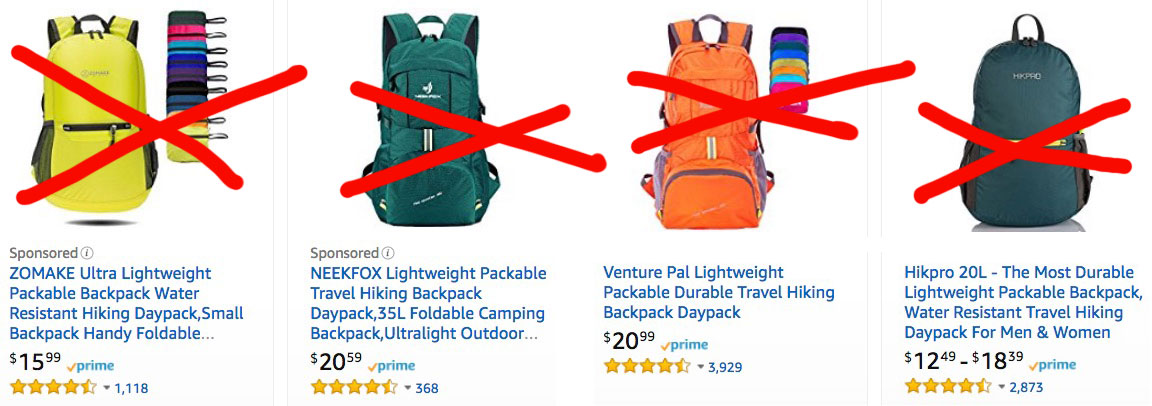
Look at the backpacks that were featured in the top eight results from a search on Amazon for “packable backpack”:
- Zomake
- Neekfox
- Venture Pal
- Hikpro
Only one of those brands would even get close to appealing to an American: Venture Pal. But even the word “pal” is not part of American English anymore. None of those outdoor equipment brands are as attractive to American consumers as:
- North Face
- Osprey
- Herschel
- Patagonia
Admittedly, several of those known brands have a lot of equity – years of making quality products. But they evoke the untamed destinations, rugged adventure, or at least a feeling of quality.
And the Chinese brands are often very good value for the money. They may even be made in the same factories as the big brands. But those companies are cutting themselves out of a lot of profit that could be realized if they had better branding.
My recommendation to companies that produce products like Hikpro (“hick-pro”) and Neekfox (what?!) – simply hire a group of American teenagers. They can come up with a better unique name within 20 minutes of brainstorming than five hours spent by a team of Chinese nationals sitting in a room in Shenzhen.







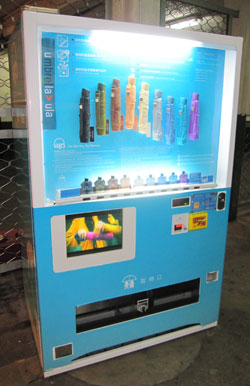 In Hong Kong, I saw this umbrella vending machine. In Ghent, Belgium, I saw an entire storefront made of vending machines, selling a huge variety of stuff, including Hoegaarden beer.

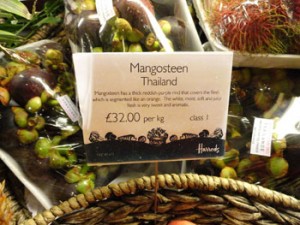 When we were in London, we stopped into

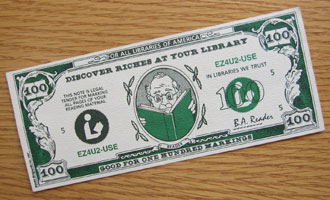 This “Discover Riches at Your Library” bookmark was given to my daughter as part of a summer reading program at our local library.

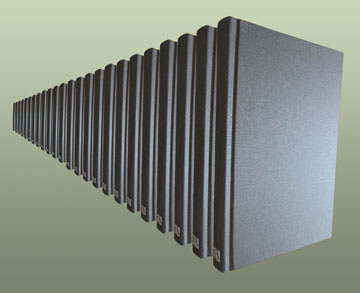 As life moves forward, we lose some things.

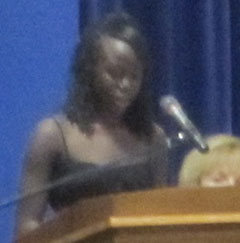 Hiba Ibrahim spoke at at Ben’s graduation ceremony (or continuation ceremony). Her family immigrated from Sudan to Littleton, Colorado, about five or so years ago. Her speech reflected complete adjustment to life here. Her delivery showed confidence and poise. She had a totally American accent.

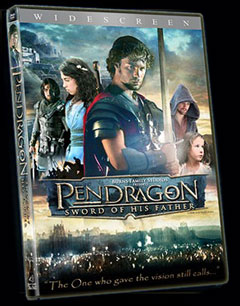 In our desire to provide suitable entertainment for our fathers or family, we watched Pendragon.

 As I have traveled to different places in the world, I am always amused when people claim, “We have no accent.” It’s true – if they have never lived anywhere else. But my contention is that we all have accents.
